SeeVi Lab
The SeeVi Lab, under the direction of Dr. Aparna Bharati, is dedicated to advancing the frontiers of computer vision research. Our mission is to design computational methods that enable machines to analyze, interpret, and reason about visual information with accuracy and robustness. By bridging fundamental theory with real-world applications, our work addresses challenges that lie at the intersection of artificial intelligence, imaging sciences, and human-centered technologies.
The lab fosters a vibrant and collaborative research environment built around a close-knit group of doctoral researchers. Together, we pursue innovative projects that not only contribute to the scientific foundations of visual computing but also explore its transformative potential in diverse domains. Through rigorous inquiry, creativity, and cross-disciplinary collaboration, the SeeVi Lab seeks to develop impactful solutions that expand the capabilities of machine perception and advance the state of the field.
Highlights
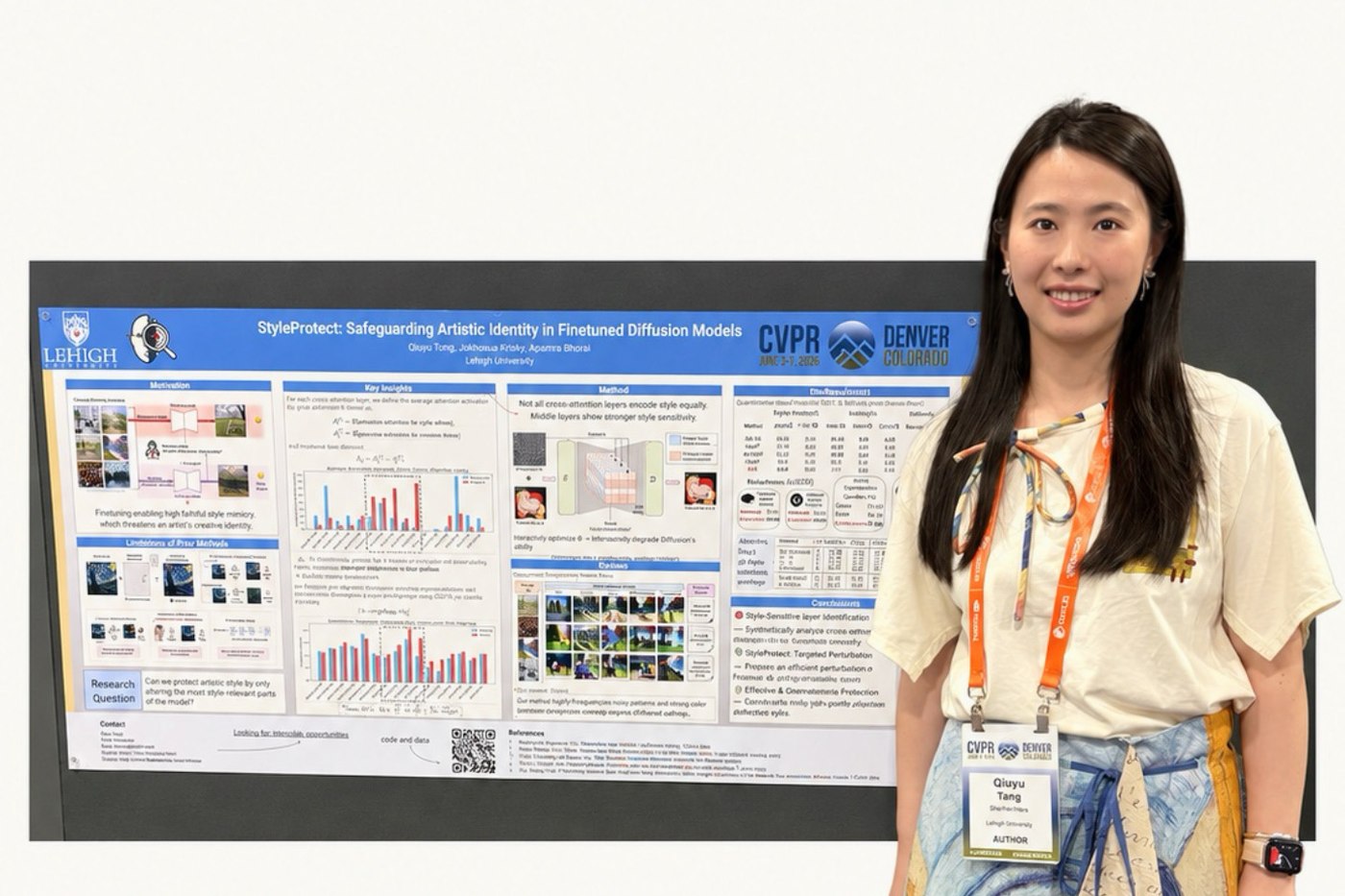
Our Research
Our peer-reviewed publications span image forensics, provenance analysis, and image protection, including work on transformation-aware embeddings, fast large-scale image retrieval, and defending images against AI-based editing.
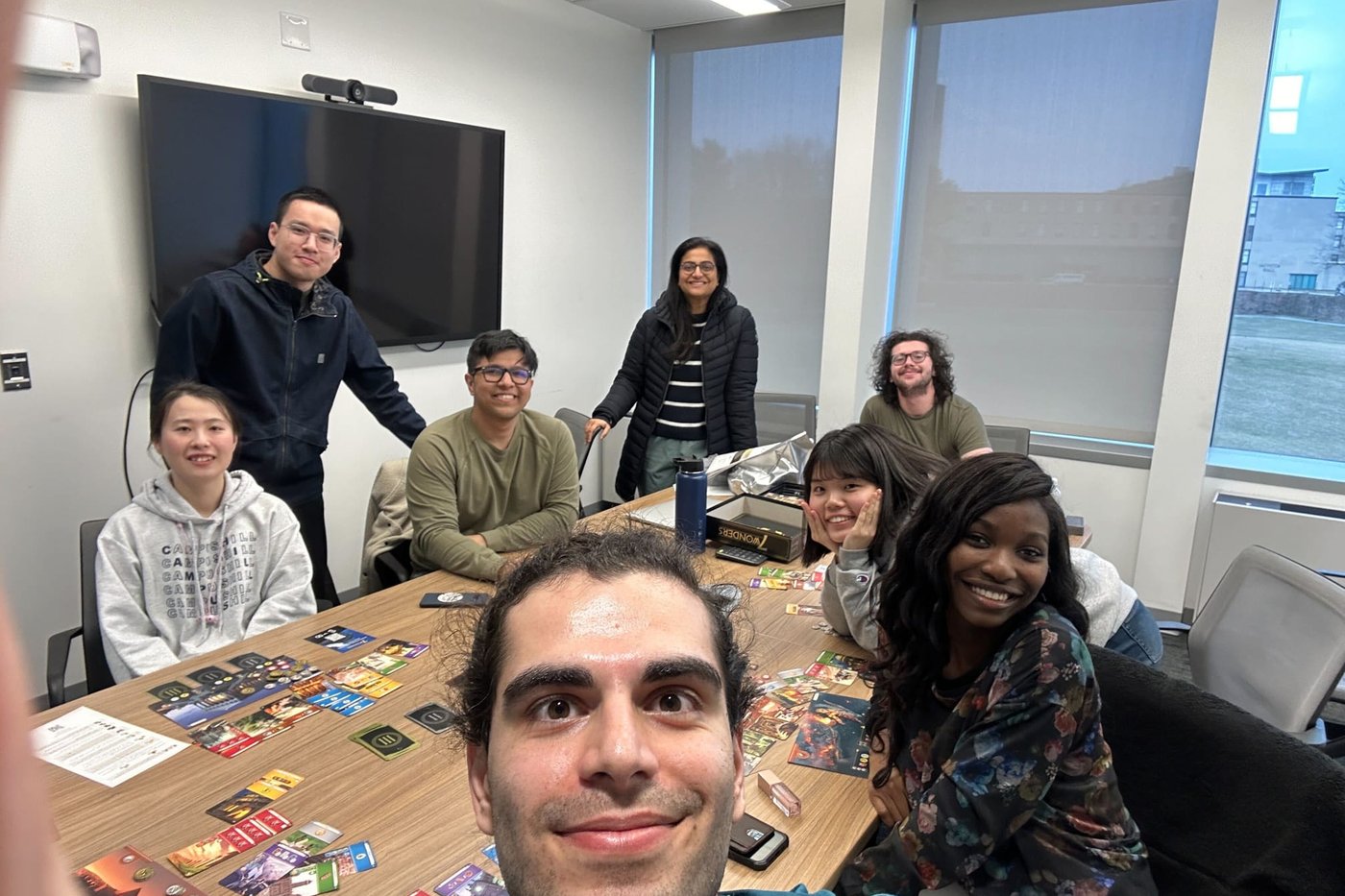
Our Team
Led by Dr. Aparna Bharati, our doctoral and master’s students bring expertise in visual understanding and machine learning, reflected in their publications, conference presentations, and collaborative projects.
Recent News
The lab moves to Colorado State University
SeeVi relocates from Lehigh to the Department of Computer Science at Colorado State University in Fort Collins, where the lab continues its work on provenance, media integrity, and visual perception.
Qiuyu Tang presented StyleProtect in Denver. The method perturbs only the cross-attention layers that carry style rather than the whole model, letting artists resist style mimicry from finetuned diffusion models at lower cost.
Chaitanya Roygaga’s paper asks whether vision-language models reproduce the snap judgements people make about faces, probing them with generated captions instead of fixed templates.